Your Fridge Is Not the Boss: A Sarajevo Guide to Warmer, Better Beer
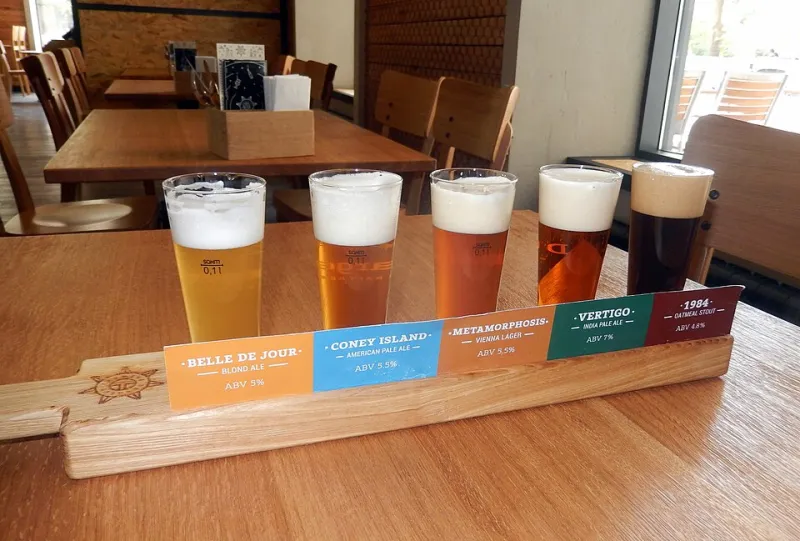
Photo: Armineaghayan, CC BY-SA 4.0, via Wikimedia Commons
The first pint at the 2026 Sarajevo Beer Festival can be a small culture shock. You order a pale lager, expect that sharp, frosty snap of an American bar fridge, and get something rounder. Not warm. Not flat. Just… less cold. Maybe 54°F instead of 38°F. Your hand doesn’t ache around the glass. The beer smells like something before it hits your tongue.
That moment is where a lot of US beer travelers start asking questions. Is the cooler broken? Is this how it’s supposed to be? And why do Sarajevo brewers seem so relaxed about serving temperatures that would make a stadium vendor in Ohio nervous?
The First Sip That Feels ‘Wrong’
In the US, cold is often sold as a virtue in itself. We talk about ice-cold bottles, frosted mugs, and beer so cold it practically numbs the first inch of your mouth. That approach has its place, especially on a hot day or with a light, fizzy lager. But it also hides a lot. Aroma gets muted. Malt character goes quiet. Hop bitterness can read as a single flat line instead of a shape.
Sarajevo’s beer culture tends to treat temperature as a tool, not a trophy. Local brewers and bar staff often aim for a range that lets the beer speak. You will still find cold lagers. You will still find ice in the cooler. But you will also find pale ales, amber lagers, porters, and stouts poured warmer than many Americans expect—sometimes around 12°C, which is roughly 54°F.
That is the 12°C rule in practice: not a law, not a universal setting, just a useful benchmark for the idea that beer has a better temperature than ‘as cold as possible.’
What the 12°C Rule Actually Means
Twelve degrees Celsius is cellar-ish. It is cool, not chilled. For a lot of ales and darker beers, that range lets aromatics rise and keeps carbonation from stomping all over the palate. For a light pilsner, 12°C may feel too warm. For an imperial stout, it may feel just right.
The important thing is that 12°C is not a trick to save ice or a sign that nobody cares. It is a serving choice. At the festival, you may see brewers pull a bottle from a cool box and let it sit for a minute before pouring. You may see a tap line that runs a little warmer than a US craft bar’s. You may hear someone say ‘ne prehladno’—not too cold—and mean it as a compliment to the beer.
A Style-by-Style Cheat Sheet
Serving temperatures are personal, and brewers vary. But here is a practical map for the 2026 festival grounds.
| Style | Typical Sarajevo range | What it does |
|---|---|---|
| Light pilsner / pale lager | 4–8°C (39–46°F) | Keeps snap and refreshment; too warm can feel dull |
| Hoppy pale ale or IPA | 8–12°C (46–54°F) | Opens hop aroma without turning bitterness harsh |
| Amber lager / Vienna lager | 8–12°C (46–54°F) | Balances toasted malt with clean finish |
| Porter / stout | 12–16°C (54–61°F) | Lets chocolate, coffee, and roast notes show up |
| Sour or fruit beer | 6–10°C (43–50°F) | Keeps acidity bright and carbonation lively |
| Strong dark ale | 12–16°C (54–61°F) | Softens alcohol heat and brings out dried fruit |
You do not need to memorize that table. Use it as a starting point. If a beer tastes flat and lifeless, it may be too cold. If it tastes syrupy or sharp, it may be too warm for your palate. The glass will tell you more than the number on a thermometer.
How to Ask Without Becoming the Problem
There is a polite way to ask for a colder or warmer pour, and there is a way that sounds like a Yelp review in progress. Start with curiosity. ‘Could I get this a little colder?’ is fine. In Bosnian, ‘Može malo hladnije?’ works for colder, and ‘Može malo toplije?’ asks for warmer. You do not need perfect pronunciation. A smile and a point at the glass go a long way.
At a festival, ask before the beer is poured if possible. Staff are moving fast, and a fresh pour is easier than a rescue mission. If you are at a bar and the beer is already in front of you, try a sip first. If you genuinely dislike it, say so plainly and without a lecture about thermodynamics. ‘This is a bit warm for me—could I try something colder?’ lands better than ‘This isn’t cold enough.’
And please do not ask for ice in a craft beer unless you know the brewer and the beer. It is not a crime, but it is a conversation starter you may not enjoy.
The Two-Minute Warm-Up Exercise
Here is a simple tasting drill for the festival. Order one beer you think you know—a pale lager is perfect. Taste it immediately. Write down three words: aroma, bitterness, finish. Then wait five minutes. Taste again. Wait five more. Taste once more.
You will probably notice the first sip is tight and fizzy. The middle sip shows more bread, grass, or citrus. The last sip feels softer, maybe sweeter, with bitterness that seems to spread out instead of spike. That is not your imagination. Warming changes how volatile aroma compounds reach your nose and how carbonation scrubs your tongue. It also changes your perception of bitterness, which can feel sharper when a beer is very cold and more integrated as it warms.
Try the same exercise with a stout or porter later in the day. The difference can be dramatic. Cold roast can read as ash or coffee grounds. Warmer roast can turn into chocolate, dried fig, or toasted bread. Same beer. Different glass temperature. Different drink.
Why This Matters for a Beer Trip
The 12°C rule is not about convincing Americans to drink warm beer. It is about giving the beer a fair hearing. Sarajevo’s brewers are proud of what they make, and they often serve it at a temperature that lets the malt, hops, and yeast do their jobs. You do not have to agree with every pour. You just have to taste before you decide.
So the next time your Sarajevo pint arrives without a frosty halo, resist the urge to flag down the nearest cooler. Hold the glass. Wait a minute. Smell it. Then take a sip and ask yourself what you would have missed if it had been ice-cold. That is the whole point of the 12°C rule—not a test of toughness, just a better conversation with the beer.