The Morning Cup Meets the Evening Pour: Sarajevo’s Coffee-Beer Crossovers in 2026
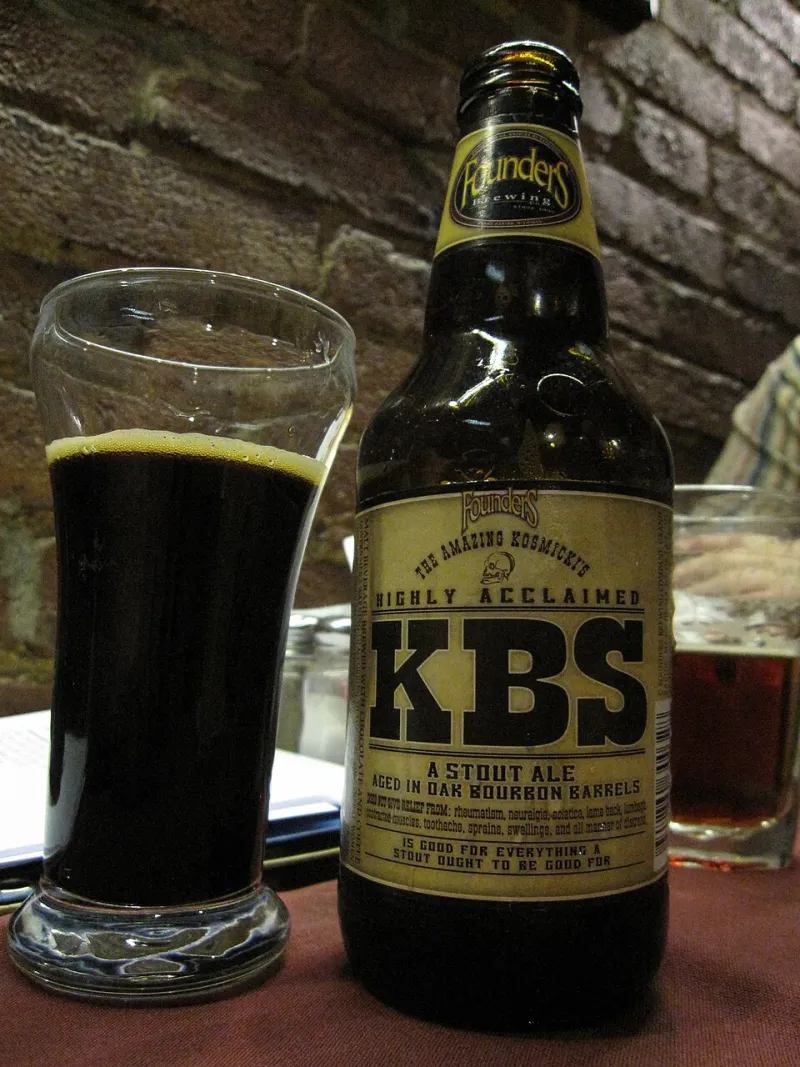
Photo: Bernt Rostad from Oslo, Norway, CC BY 2.0, via Wikimedia Commons
Sarajevo has a reliable rhythm: coffee in the morning, beer at night, and a lot of conversation in between. In 2026, that rhythm is getting a little more interesting. The city’s craft brewers and coffee roasters are not just sharing customers anymore. They are sharing ideas, equipment schedules, and sometimes the same small batch of beans. The result is a growing cluster of coffee stouts, cascara beers, and taproom collaborations that feel less like a marketing stunt and more like a natural extension of how Sarajevo already drinks.
Two Rituals, One City
Coffee culture here is not a trend. It is the default setting. Walk through Baščaršija in the morning and you will see tiny cups, slow pours, and people lingering over both. Beer culture is younger and louder, but it has settled into the same social spaces: courtyards, side streets, and taprooms where nobody is in a hurry.
That overlap is why coffee-beer collaborations make sense in Sarajevo. A brewer who already understands bitter, roasted, and fruity flavors can talk shop with a roaster who spends all day dialing in extraction. The vocabulary is different, but the goal is similar: balance. When those conversations happen early, before a recipe is locked, the beer usually tastes like a beer with coffee in it. When they happen late, it can taste like a coffee drink wearing a beer costume.
What Makes a Coffee Beer Work
The good collaborations tend to start with a question, not a gimmick. What kind of roast fits this base beer? Should the coffee show up as aroma, flavor, or both? Is the point to mimic espresso, or to pull out the fruitier, tea-like notes that coffee can offer?
A coffee stout is the most familiar answer. In Sarajevo, the better examples lean dry rather than sugary, with enough roast character to stand up to the malt but not so much that the beer turns into a cold brew with foam. A porter can work too, especially when the coffee is added with a light hand. Dark lagers are trickier, but a small dose of coarsely ground coffee can add a pleasant earthy edge without overwhelming the finish.
Cascara is the more interesting story. Cascara is the dried coffee cherry, often brewed like tea. In a beer, it can bring a soft fruity character, something between dried cherry, hibiscus, and black tea. It does not taste like coffee, and that is the point. A cascara beer is not trying to replace your morning cup. It is trying to show you another side of the coffee plant.
The People Behind the Handshake
The collaborations are rarely formal corporate partnerships. More often, they start with a conversation at a bar or a quick visit to a roastery. A brewer asks for a sample. A roaster asks what kind of profile the beer needs. Someone offers spent grain for compost. Someone else offers taproom space for a launch night. The relationship grows from there.
The people driving this are not chasing a viral moment. They are usually small teams who already know each other’s work. A roaster might spend the morning cupping espresso and the afternoon tasting a stout sample. A brewer might swing by a cafe to understand how a particular bean performs with milk and sugar. That kind of curiosity keeps the projects from becoming shallow. It also makes the taproom collaborations feel like a natural extension of the city’s social life rather than a corporate crossover.
At the 2026 Sarajevo Beer Festival, you will see this overlap in small ways: a coffee stout on a short pour list, a cascara beer tucked between a pale ale and a porter, a brewer and roaster sharing a table. The festival is not a coffee convention, and it should not become one. But it is a good place to taste the range.
A 2026 Festival Tasting Route
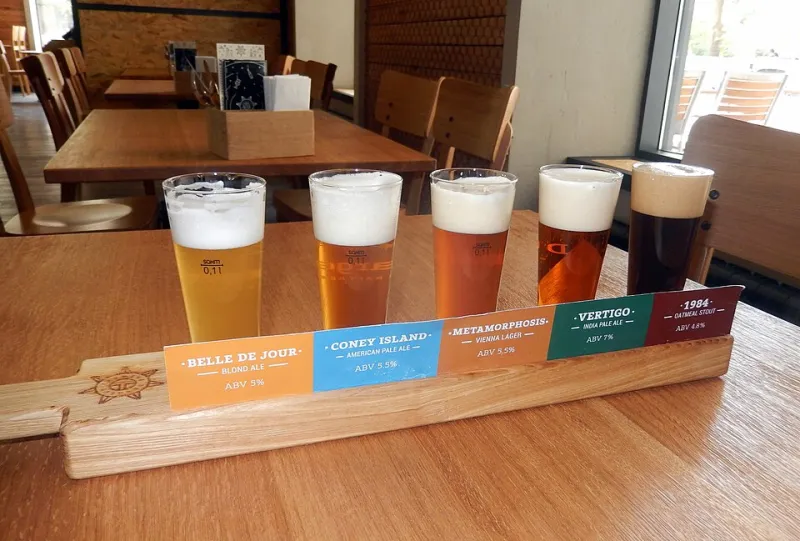
If you want to explore the coffee-beer overlap without falling into gimmick territory, treat it like a flight, not a marathon. Start clean, move dark, and keep your pours small.
- Begin with a pale ale or pilsner. This resets your palate and gives you a baseline for bitterness and carbonation. It also keeps you from judging every coffee beer against the last one.
- Try one coffee stout. Ask what kind of coffee was used and whether it was added as whole beans, coarse grounds, or cold brew. The answer tells you a lot about the intent. A roasty, dry finish is usually a better sign than a syrupy body.
- Move to a cascara beer if one is available. Expect something lighter and fruitier than a stout. If it tastes like iced tea with a beery edge, that is not a mistake. That is the point.
- Sample a coffee-infused dark lager or porter only if you still have room. These styles are less common, and they can be excellent when the coffee is used like a seasoning rather than a main ingredient.
- Finish with a plain beer you already know you like. This sounds boring. It is actually useful. It clears the coffee residue and helps you decide what you would order again.
After the festival, take the route into the city. Sarajevo’s core is walkable, and the tram is easy to use. Start at a roastery cafe in the old town, then drift toward a taproom for a collaboration pour. You do not need a car. You do not need a reservation for every stop. You do need to pace yourself.
How to Avoid the Novelty Trap
Coffee beer can go wrong in predictable ways. Too much roast makes the beer harsh. Too much sugar makes it taste like dessert syrup. Too much coffee aroma without flavor makes it feel like a scratch-and-sniff sticker. The best versions are integrated. You should be able to taste the beer first and the coffee second, or the two should feel like they belong together.
Ask questions, but do not interrogate the bartender. A simple “How strong is the coffee character?” is enough. If the answer is “You can barely tell,” that might be a warning. If the answer is “It is basically cold brew,” that might be a different kind of warning. The sweet spot is somewhere in the middle.
For US drinkers planning a Balkan beer trip, Sarajevo is a good place to see this overlap because the city already lives it. You are not walking into a specialty beer bubble. You are walking into a place where coffee and beer are both part of the daily routine. The collaboration is not a novelty here. It is a handshake between two habits that already share the same table.
In 2026, that handshake is worth seeking out. Start with a small pour, ask a good question, and let the coffee and beer do the talking.